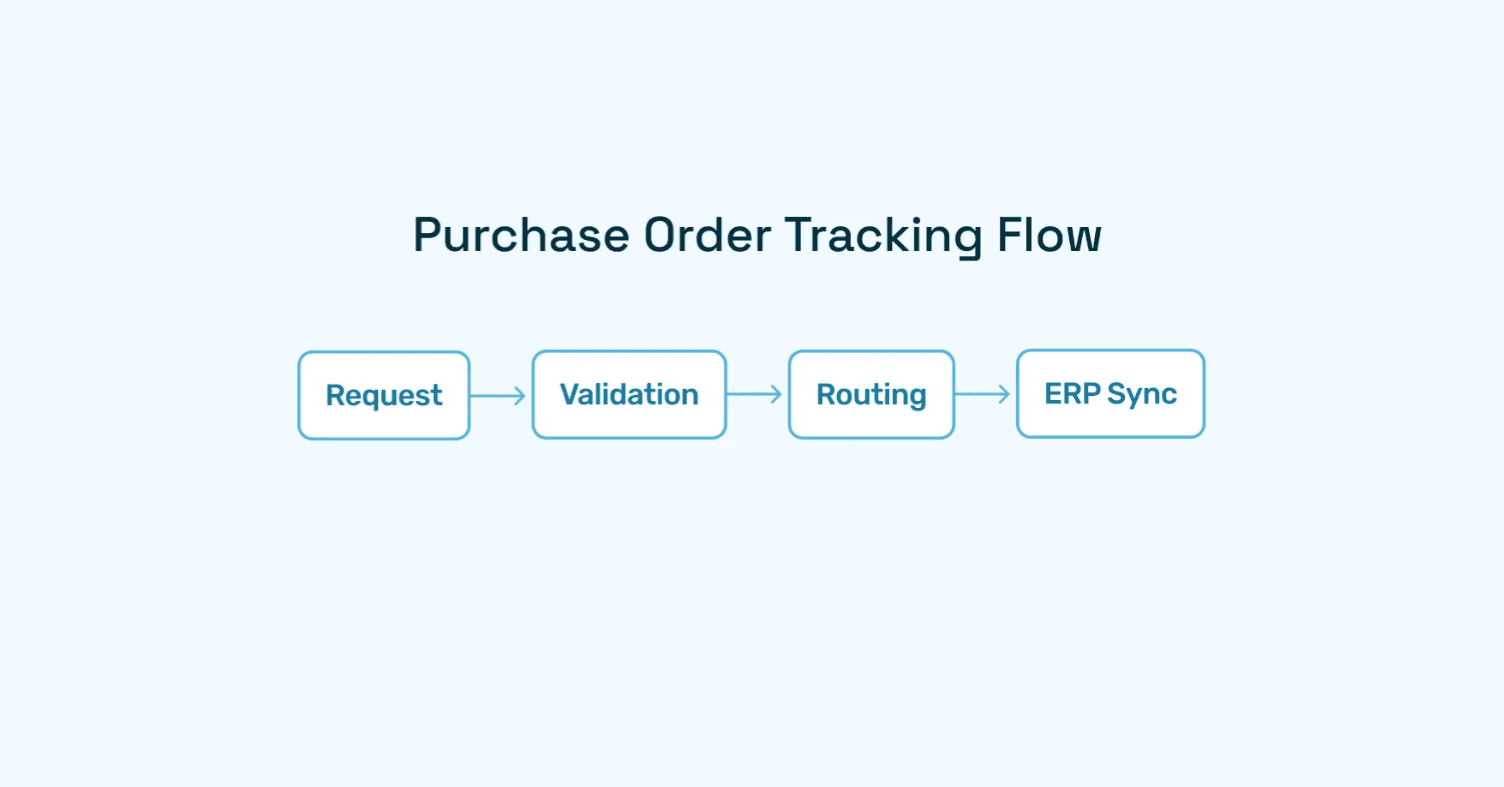
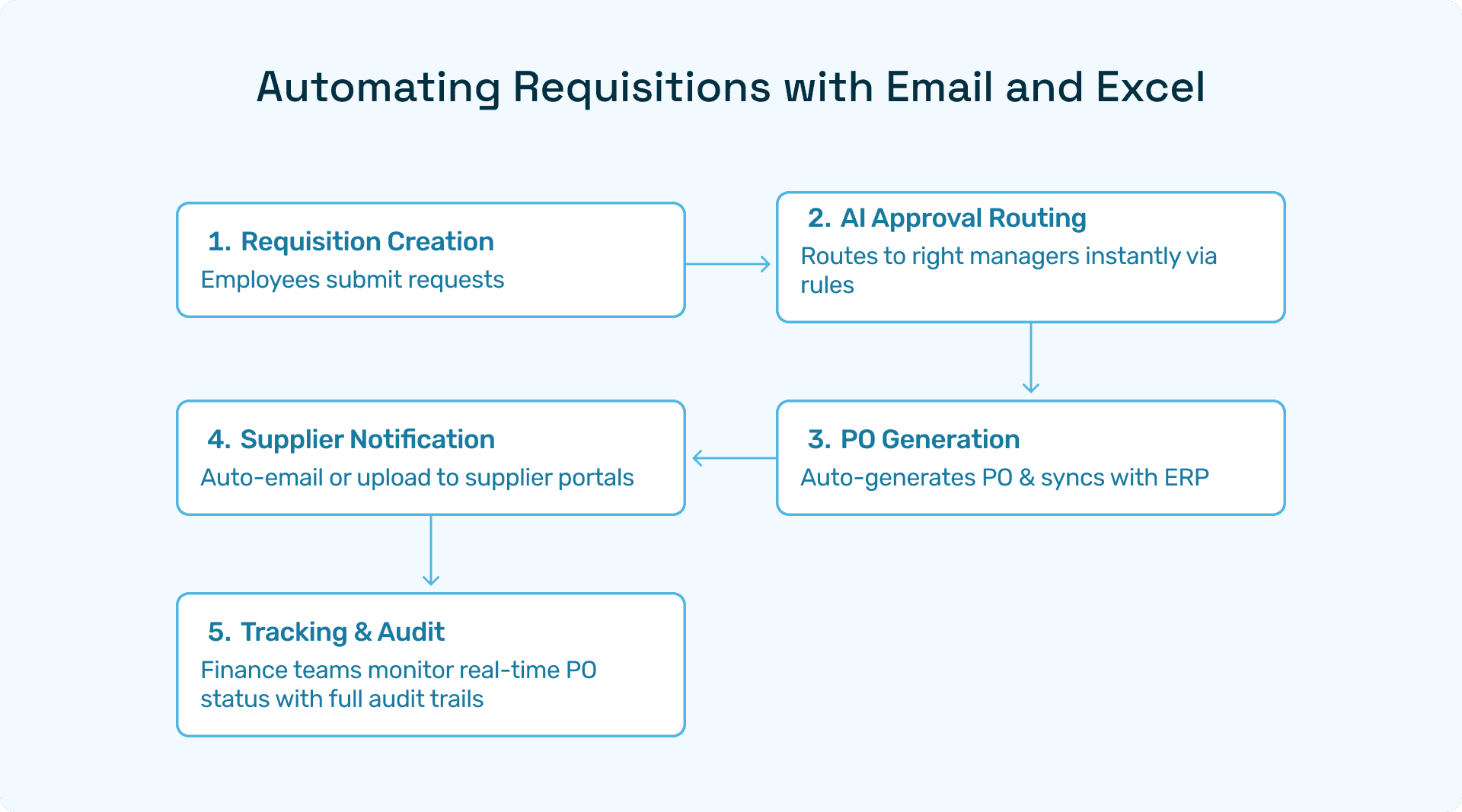
How to Automate Purchase Orders: An End‑to‑End Guide
Streamline procurement with AI-powered purchase order automation. Cut costs, boost compliance, and simplify workflows.
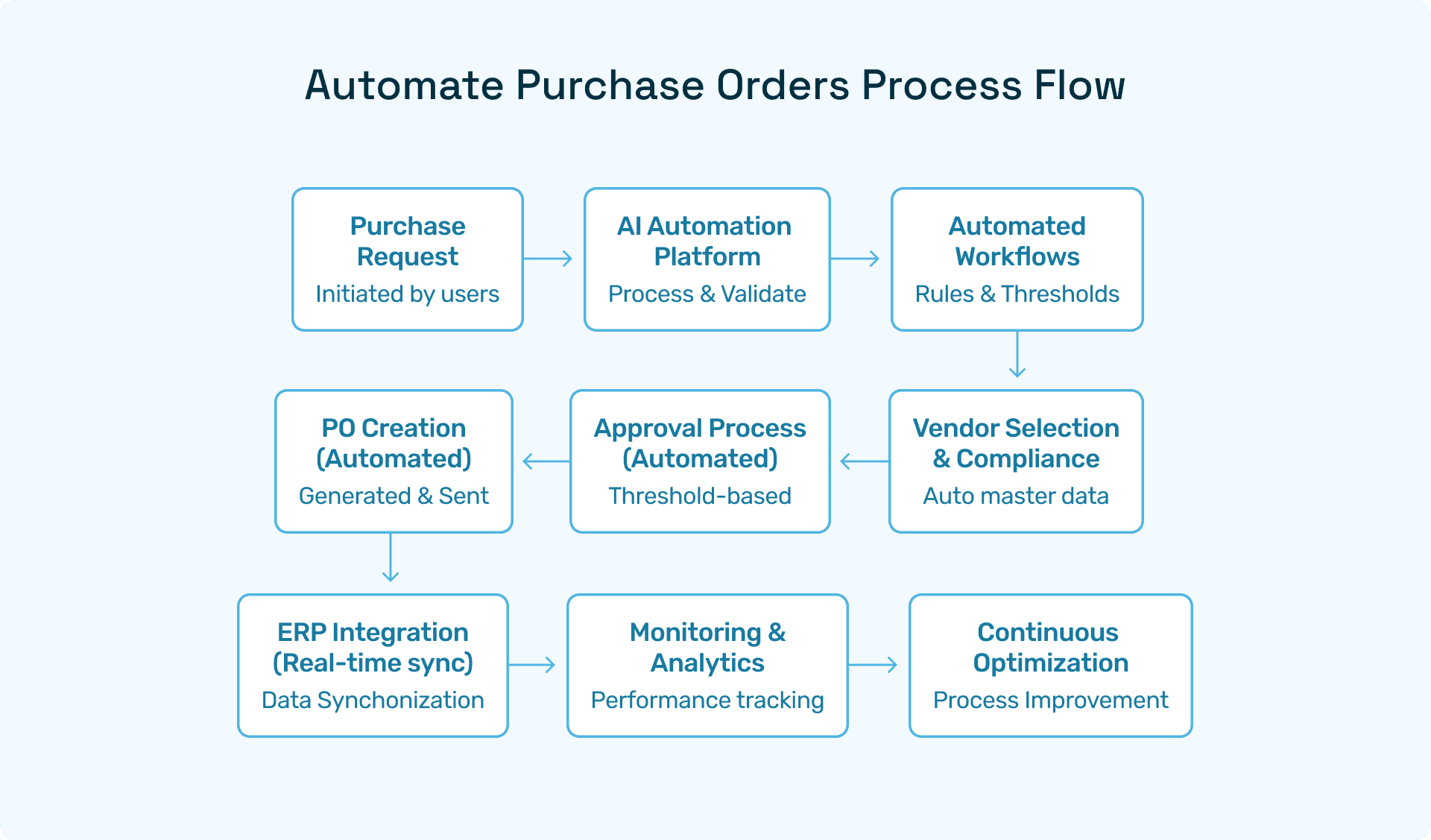
Executive Summary
Finance and procurement leaders today face immense pressure to streamline operations, reduce costs, and improve compliance. Manual purchase order (PO) processing is time-consuming, error-prone, and often leads to delayed approvals and overspending. This comprehensive guide explains how to automate purchase orders effectively, showcasing Hyperbots' cutting-edge AI Co-pilots designed to revolutionize the procure-to-pay process. By leveraging automated purchase order processing, organizations can achieve up to 80% reduction in operational costs, enhance real-time spend visibility, and ensure regulatory compliance effortlessly.
Why Automate Purchase Orders?
Manual purchase order management is a significant bottleneck in enterprise finance operations. Here's why automating this process is essential:
Improved Efficiency: Manual data entry and email-based approvals slow down the procurement cycle.
Error Reduction: Automation minimizes human error in PO creation and data entry.
Enhanced Compliance: Predefined rules in automated systems ensure adherence to corporate policies.
Real-Time Visibility: Automated systems provide instant insights into spend patterns and approval status.
According to a Gartner report, advancing digital capabilities is a key agenda item for sourcing and procurement organizations looking to improve and innovate operations.
Common Challenges in Manual Purchase Order Management
Manual purchase order management remains a significant bottleneck for many enterprises, especially as organizations scale. Understanding the challenges inherent in traditional PO processes is crucial for identifying areas where automation can deliver substantial benefits.
Time-Consuming Approvals
In manual systems, approvals often require routing physical forms or emails between multiple stakeholders. This multi-step process can delay procurement by days or even weeks. When urgent materials or services are needed, these delays can halt operations and impact project timelines.
High Error Rates
Manual data entry opens the door to human error. Typos, duplicate orders, or mismatched vendor information are common. Errors not only lead to incorrect purchases but also create extra work for accounts payable teams, who must reconcile invoices and correct mistakes.
Limited Visibility
Tracking the status of purchase orders without automation is challenging. Finance teams often rely on spreadsheets, emails, or outdated ERP reports. This lack of real-time visibility prevents organizations from forecasting cash flow accurately and makes it difficult to identify overspending or bottlenecks.
Compliance Risks
Maintaining audit trails in a manual environment is time-consuming and prone to gaps. Regulatory audits and internal reviews require comprehensive documentation, and missing approvals or inconsistent records can result in non-compliance or penalties.
Vendor Dissatisfaction
Suppliers rely on timely and accurate purchase orders to plan production and logistics. Delays or incorrect details can strain relationships, impacting delivery timelines, product availability, and negotiated pricing.
By recognizing these challenges, organizations can evaluate automation solutions and identify the areas where they will deliver the greatest value, ultimately driving efficiency, compliance, and stronger supplier collaboration.
Key Metrics to Monitor in PO Automation
Implementing automated purchase order systems is only part of the solution. To maximize the benefits, organizations must monitor the right performance metrics that measure efficiency, compliance, and cost-effectiveness.
Cycle Time
The time it takes from a purchase request to PO issuance is a critical indicator of efficiency. Automation should significantly reduce cycle times, enabling faster procurement and supporting business agility.
Approval Turnaround
Measure how long each stage of the approval workflow takes. Even with automation, bottlenecks can appear if approvers delay decisions. Tracking this metric helps organizations fine-tune workflows and set escalation rules.
Exception Rates
Automated systems flag mismatched data, errors, or policy violations. Monitoring exception rates ensures that anomalies are minimized and that the automation process functions correctly. Reduced exceptions also translate into fewer invoice disputes and faster payments.
Spend Visibility
Real-time monitoring of budgets versus actual spend provides finance teams with actionable insights. Organizations can quickly detect overspending, reallocate funds, and ensure that every dollar is used efficiently.
Compliance Rate
Measure adherence to procurement policies, regulatory requirements, and internal controls. Automation helps enforce compliance consistently, but periodic reviews ensure that exceptions or gaps are addressed proactively.
Tracking these metrics not only validates the ROI of automation but also allows organizations to continuously optimize their procurement processes. A robust monitoring framework ensures that procurement operations remain efficient, compliant, and scalable.
Best Practices for Implementing PO Automation
Adopting automated purchase order systems requires careful planning and execution. Following best practices ensures a smooth transition, maximizes efficiency, and secures compliance.
Map Current Processes
Begin by documenting existing workflows, from purchase requests to PO closure. Identify bottlenecks, redundant tasks, and error-prone areas. This audit provides the foundation for implementing targeted automation that addresses real pain points.
Set Clear Objectives
Define specific goals for automation, such as reducing cycle time by a set percentage, improving spend visibility, or achieving near-zero manual errors. Clear objectives guide platform selection, workflow configuration, and user training.
Standardize Templates
Consistency is critical. Standardized PO templates reduce data entry errors and ensure all necessary information is captured. Automation platforms often allow customizable templates tailored to different departments or purchase types.
Train Teams Effectively
Even the most advanced system fails without user adoption. Provide comprehensive training for procurement, finance, and approval teams. Use hands-on workshops, quick reference guides, and regular refreshers to build confidence and competency.
Continuous Monitoring and Optimization
Once implemented, monitor key metrics like cycle time, approval turnaround, exception rates, and compliance adherence. Use dashboards to visualize data and identify areas for improvement. Periodically review workflows, templates, and automation rules to ensure ongoing efficiency.
Following these best practices ensures that automated PO systems deliver maximum value. Organizations can reduce manual workloads, enhance compliance, improve supplier relationships, and scale procurement operations efficiently as business needs grow.
Key Components of Automated Purchase Order Processing
1. Digital PO Creation
Automating PO creation eliminates reliance on spreadsheets and email chains. Systems extract purchase requests directly from ERP systems and vendor catalogs.
2. Automated Approval Workflows
Pre-configured workflows route POs for approval based on spend limits, vendor categories, and business rules.
3. Real-Time ERP Integration
Automated solutions synchronize with ERP systems like SAP and Oracle to ensure seamless data flow and reduce manual reconciliation tasks.
4. Vendor Management Automation
Automated vendor master data management ensures accurate vendor profiles, contact details, and compliance checks.
5. Audit Trails & Compliance Reporting
Automated systems provide detailed logs of approvals and changes, ensuring transparency and audit readiness.
Step-by-Step Guide: How to Automate Purchase Orders
Step 1: Assess Current Procurement Processes
Conduct a process audit to identify manual touchpoints and inefficiencies.
Step 2: Define Automation Goals
Establish clear objectives: reduce cycle time, improve compliance, enhance spend visibility.
Step 3: Select an Automation Platform
Choose a platform like Hyperbots Procurement Copilot that offers AI-driven automation for purchase orders.
Step 4: Integrate with ERP Systems
Ensure real-time data synchronization with your existing ERP to avoid data duplication.
Step 5: Configure Automated Workflows
Set up rules for PO creation, approval thresholds, vendor selection, and compliance checks.
Step 6: Implement Vendor Data Automation
Use automated vendor management tools to maintain accurate master data.
Step 7: Test the System
Conduct pilot runs to identify configuration issues and measure performance improvements.
Step 8: Monitor and Optimize
Leverage dashboards for ongoing performance tracking and continuous improvement.
Transformational Impact of Hyperbots Platform Capabilities
Hyperbots stands apart with its suite of AI Co-pilots that deliver a unified automation experience:
Procurement Copilot reduces PO cycle times by automating approvals and instantly syncing with ERP systems.
Invoice Processing Copilot automates matching POs with invoices, accelerating the accounts payable process.
Vendor Management Copilot ensures accurate vendor profiles, automating onboarding and compliance checks.
Learn more about Hyperbots' platform capabilities.
ROI from Automating Purchase Orders
When finance leaders evaluate purchase order automation, the first question is simple: what’s the ROI? With Hyperbots, the answer is both measurable and transformative. The platform delivers savings you can quantify in hard dollars, along with intangible benefits that reshape how procurement and finance teams work.
Implementing Hyperbots' Procurement copilot deliver significant ROI and transforms procurement operations by providing:
Over 80% reduction in PO creation & dispatch time
5 minute PR creation time
At least a 10% reduction in cash outflows
Accurate and timely automatic communication with vendors
100% automation of forms and other information verification
Granular and customized workflow for each process
Improved vendor relationships due to predictable approval timelines.
By leveraging AI-driven PO tracking, companies not only achieve quantifiable cost savings but also strengthen operational resilience and supplier collaboration. Hyperbots’ integrated platform ensures that these benefits scale across departments, projects, and business units, turning procurement into a high-value function rather than a bottleneck.
Industry Insights: A Gartner study indicates that automation in procurement improves overall process efficiency by up to 45%.
How Hyperbots AI Co-pilots Are Differentiated
Unlike traditional procurement solutions, Hyperbots offers:
End-to-End Automation: From request to payment, every step is automated.
AI-Driven Intelligence: Context-aware decision-making improves PO accuracy and compliance.
Seamless ERP Integration: No need for additional manual reconciliations.
Scalable Architecture: Easily adapts to mid-sized and large enterprises.
Discover why Hyperbots stands out.
FAQs
Q1: What is automated purchase order processing?
Automated purchase order processing uses technology to automatically generate, approve, and track purchase orders without manual intervention.
Q2: How much can automation reduce PO cycle times?
Automation can reduce PO cycle times by up to 70%, depending on the complexity of workflows and integrations.
Q3: Is Hyperbots compatible with major ERP systems?
Yes, Hyperbots integrates seamlessly with ERP systems like SAP, Oracle, and Microsoft Dynamics.
Q4: What is the primary benefit of using AI Co-pilots for purchase orders?
AI Co-pilots ensure real-time decision-making, compliance adherence, and significant reduction in manual workload.
Experience transformative efficiency by automating your purchase order process today. Visit our Procurement Copilot product page to explore detailed features or schedule a demo to see Hyperbots in action.